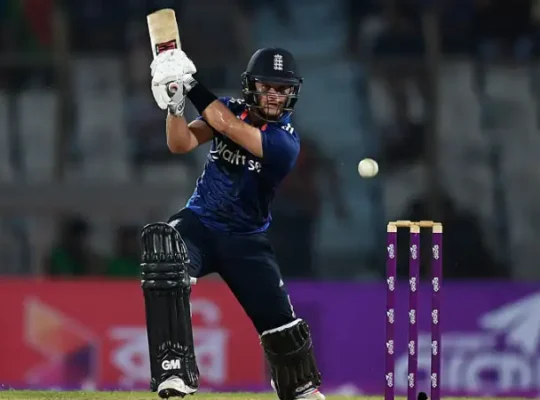

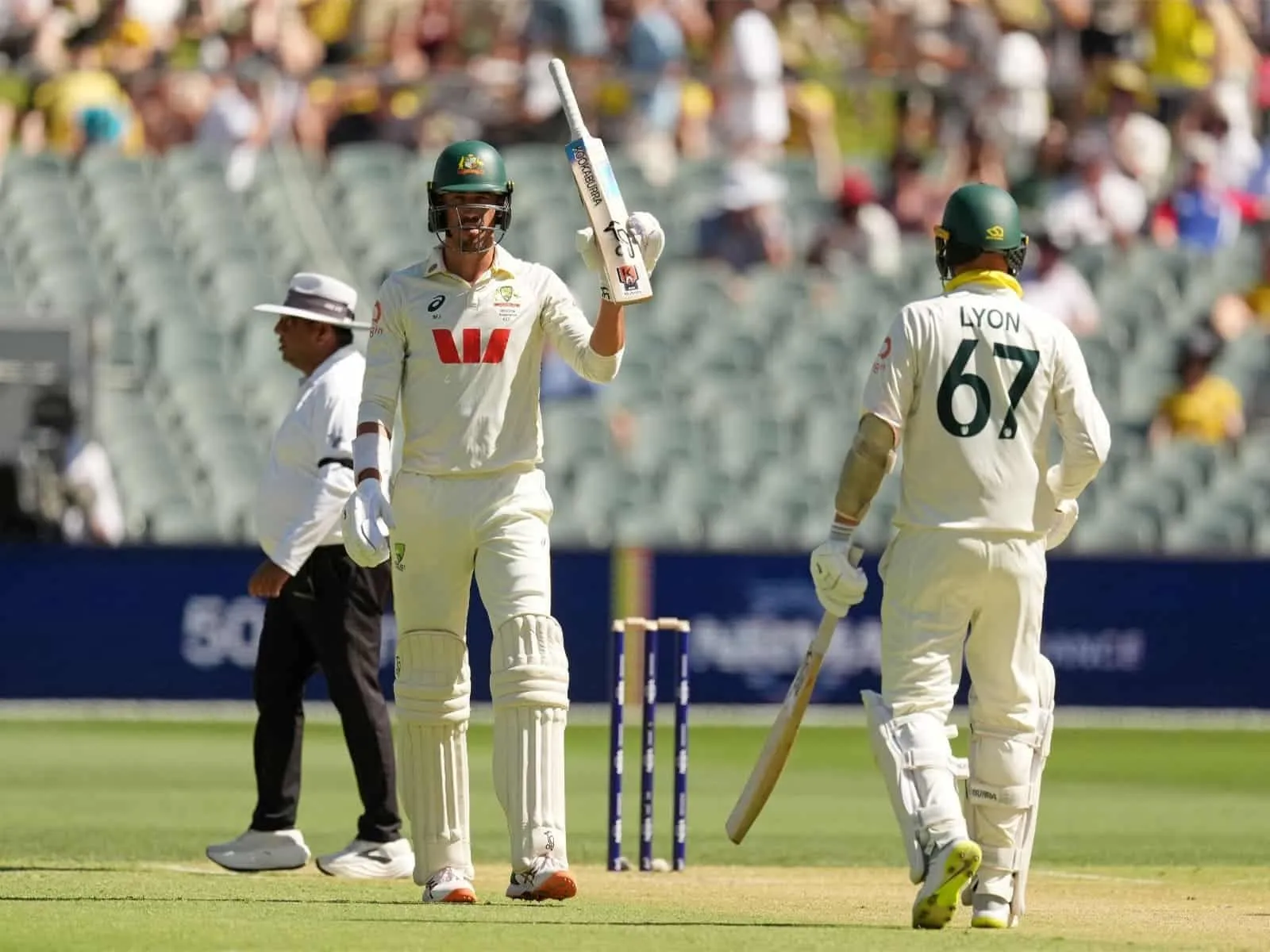
Who: Cricket Australia’s national selection panel, led by George Bailey.
What: A 13-player Test squad for the home series against Bangladesh, with Pat Cummins, Josh Hazlewood and Nathan Lyon all recalled from injury.
When: Announced Tuesday, July 21, 2026, with the first Test starting August 13 in Darwin.
Why it matters: Australia’s three most experienced bowlers return together for the first time in months, right at the start of a 12-month stretch that could bring up to 21 Tests, including a possible World Test Championship final.
Australia have named their Test squad for next month’s series against Bangladesh, and the headline is simple: their most important bowlers are back together. Pat Cummins, Josh Hazlewood and Nathan Lyon all missed large chunks of the home Ashes with injury. All three return for the two-match series in Darwin and Mackay.
Michael Neser, who impressed with the ball during the Ashes, has been squeezed out. Scott Boland keeps his place as the fourth seamer. It’s a squad shaped as much by workload planning as by form, with selectors clearly looking beyond Bangladesh toward a demanding year of Test cricket ahead.
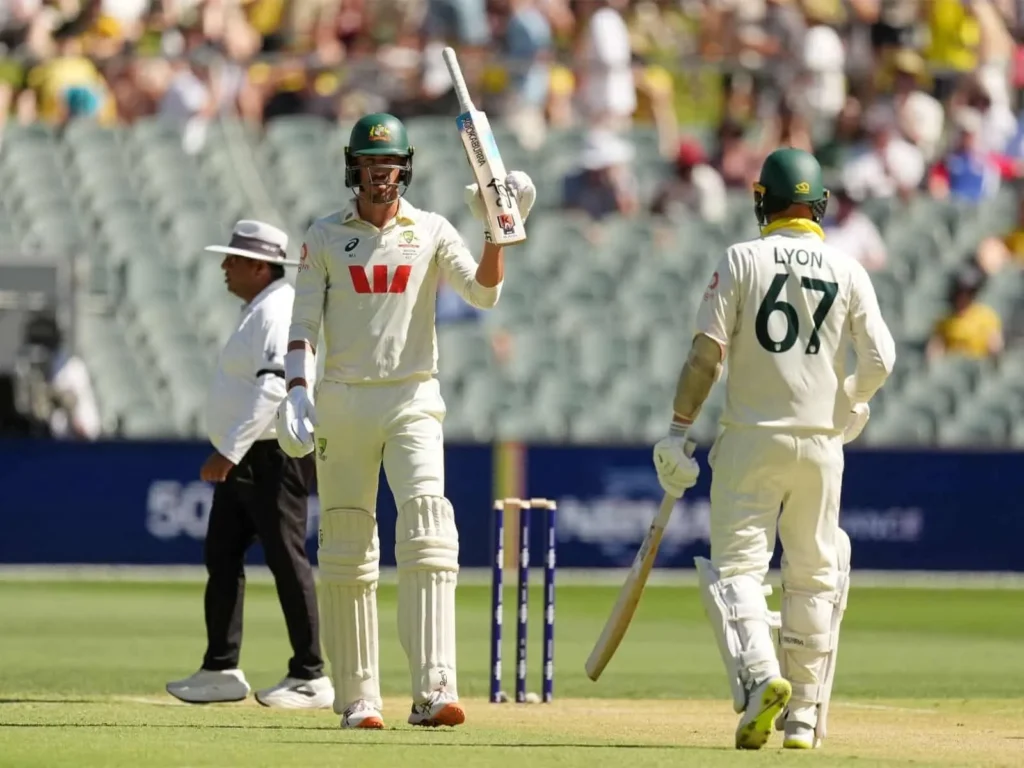
Australia Squad for Bangladesh Test Series
| Player | Role |
| Pat Cummins (capt) | Fast bowler |
| Scott Boland | Fast bowler |
| Alex Carey | Wicketkeeper-batter |
| Cameron Green | All-rounder |
| Josh Hazlewood | Fast bowler |
| Travis Head | Batter (opener) |
| Josh Inglis | Wicketkeeper-batter |
| Marnus Labuschagne | Batter |
| Nathan Lyon | Off-spinner |
| Steve Smith | Batter |
| Mitchell Starc | Fast bowler |
| Jake Weatherald | Batter (opener) |
| Beau Webster | All-rounder |
Biggest Talking Points
- Pat Cummins Return
Cummins hasn’t played for Australia in any format since the third Ashes Test in Adelaide last December, when a back stress complaint forced him out. His return as captain gives Australia back their most experienced leader for a period selectors have flagged as unusually heavy on fixtures.
- Josh Hazlewood Fitness
Hazlewood, 35, missed the entire Ashes series and the T20 World Cup with hamstring and Achilles issues, last appearing for Australia in July 2025. His comeback restores a bowler with 295 Test wickets at an average of 24.21, but Cricket Australia will manage his workload carefully given his recent history.
- Nathan Lyon Comeback
Lyon tore a hamstring in the Adelaide Ashes Test and needed surgery. At 38, with 567 Test wickets from 141 matches, he remains Australia’s clear first-choice spinner, and his return restores balance to an attack that leaned heavily on pace during the Ashes.
- Scott Boland Selection
Boland, 37, was outstanding in Hazlewood’s absence, taking 20 wickets in the Ashes at an average that made him arguably the form seamer in the country. He now holds 82 Test wickets at 18.58 from 19 appearances and keeps his spot as first change or an outright selection depending on conditions.
- Michael Neser Omission
Neser took 15 Ashes wickets and did enough to make his exclusion a genuine talking point. With Cummins, Hazlewood, Starc and Boland all fit, there simply wasn’t room. It’s a selection outcome driven by competition rather than any drop in Neser’s form.
- Jake Weatherald Opportunity
Weatherald retains the opening slot despite an underwhelming Ashes campaign, averaging 22.33 with just one half-century in his first ten Test innings. Selectors have stuck with the pairing he formed with Travis Head, which produced four fifty partnerships during the Ashes, and Bangladesh represents a chance to cement the role.
- Usman Khawaja Retirement Impact
Khawaja’s retirement after the Ashes triumph left a genuine vacancy at the top of the order. Rather than reshuffling the middle order, selectors have backed Weatherald to fill that gap alongside Head, keeping Smith, Labuschagne and the rest of the order unchanged.
- Possible Batting Order Changes
With Khawaja gone, the only real structural shift is at the top. Labuschagne stays at No.3, Smith is locked in at four, and the door remains open for Cameron Green or Beau Webster in the middle order and lower-middle order depending on team balance.
How Strong is Australia’s Bowling Attack?
Pace attack: With Cummins, Hazlewood, Starc and Boland all available, Australia can field arguably the deepest fast-bowling group in world cricket right now. All four have taken 20-plus wickets in a home series at some point in the past two years.
Spin attack: Lyon remains a genuine wicket-taking spinner rather than a containing option, which matters against a Bangladesh batting line-up that traditionally struggles against high-quality off-spin on Australian pitches.
Bench strength: Neser’s omission, despite a strong Ashes, shows the depth available. Beau Webster and Cameron Green add further seam-bowling options from the all-rounder slots.
Experience: Between them, Cummins, Hazlewood, Lyon, Starc and Boland have played well over 400 Tests and taken close to 1,800 international wickets. That level of collective experience is rare against a touring side with a much shorter Test history.
Why Bangladesh may struggle: Bangladesh have historically found Australian pace and bounce difficult, and a fully fit attack featuring genuine variety in pace and spin gives the hosts multiple ways to take 20 wickets across two Tests.
Predicted Australia Playing XI
| No. | Player | Selection Rationale |
| 1 | Jake Weatherald | Retained as opener after his Ashes partnership with Head |
| 2 | Travis Head | Locked in at the top after a prolific Ashes with 629 runs |
| 3 | Marnus Labuschagne | Continues at first drop |
| 4 | Steve Smith | Australia’s premier batter, settled at No.4 |
| 5 | Cameron Green | Batting depth plus a fourth seam option |
| 6 | Beau Webster | All-round balance in the middle order |
| 7 | Alex Carey | First-choice gloves, proven in home conditions |
| 8 | Pat Cummins (capt) | Leads the attack and the side |
| 9 | Mitchell Starc | First-choice new-ball partner |
| 10 | Nathan Lyon | Front-line spin option |
| 11 | Josh Hazlewood | Completes a four-pronged pace attack |
Alternatives: Scott Boland is the direct replacement for Hazlewood if workload management rules him out of either Test. Josh Inglis provides wicketkeeping and batting cover for Carey, while Marnus Labuschagne’s all-round utility and Beau Webster’s seam bowling give selectors flexibility if they want an extra bowling option.
How This Squad Impacts World Test Championship
This series falls inside the current World Test Championship cycle, and every point matters if Australia want to reach next year’s final. Selectors have been explicit that the next 12 months could bring as many as 21 Tests, spanning multiple assignments and conditions.
That volume is the reason for careful workload management of Cummins, Hazlewood and Lyon rather than throwing all three into every match without rotation. George Bailey has indicated that different bowlers will be rested at different points depending on conditions and opposition, rather than any fixed pre-planned schedule of absences.
Winning both Tests against Bangladesh comfortably would be a strong, low-risk way to bank points early in this stretch before Australia face more demanding assignments later in the cycle.
Australia vs Bangladesh Test Schedule
| Match | Venue | Dates |
| 1st Test | Darwin | August 13–17, 2026 |
| 2nd Test | Mackay | August 22–26, 2026 |
Players Returning From Injury
| Player | Injury | Time Out | Expected Role |
| Pat Cummins | Lower back stress complaint | Since December 2025 (Adelaide Ashes Test) | Captain, lead fast bowler |
| Josh Hazlewood | Hamstring and Achilles issues | Since July 2025 | Fourth seamer, managed workload |
| Nathan Lyon | Torn hamstring (required surgery) | Since December 2025 (Adelaide Ashes Test) | First-choice spinner |
Players Missing From Squad
| Player | Reason | Possible Return |
| Michael Neser | Squeezed out by return of Cummins, Hazlewood and Lyon | Strong candidate if any seamer is rested or injured |
| Usman Khawaja | Retired from international cricket after the Ashes | Not applicable — retired |
Selection Analysis
What selectors got right: Bringing back Cummins, Hazlewood and Lyon together, rather than staggering their returns, gives Australia their strongest possible attack for a series they should be expected to win comfortably. Sticking with Weatherald despite modest Ashes numbers also shows selectors are backing a longer-term opening solution rather than chopping and changing after one series.
Possible surprises: Neser’s exclusion, given his Ashes form, is the closest thing to a genuine surprise in this squad. It reflects depth rather than any concern about his ability.
Future stars to watch: Weatherald’s opportunity to open across a full home summer, and Josh Inglis’s continued involvement as a batting and wicketkeeping option, are worth tracking as Australia plan their squad beyond this WTC cycle.
Expert Take
This is an analytical opinion, clearly separated from the factual reporting above.
Resting all three of Cummins, Hazlewood and Lyon simultaneously for the Ashes and returning them together for Bangladesh looks, on paper, like a low-risk way to build match fitness before a heavier 12 months. The bigger question is whether Australia can rotate this trio through a 21-Test cycle without any of them breaking down again — their recent injury history suggests careful management, not blanket selection, will be the real test of this squad’s depth.
What This Means for Bangladesh
Strengths: Bangladesh have shown they can compete with disciplined seam bowling and occasional spin threats of their own, and a two-Test series limits Australia’s room for error if the tourists start well.
Weaknesses: Facing a fully fit Australian attack with four frontline seamers and a wicket-taking spinner is about as difficult a assignment as exists in Test cricket, especially on pace-friendly Australian surfaces.
Challenges: Batting long periods against Cummins, Starc, Hazlewood and Lyon in the same XI will test technique and patience across both Tests.
Players to watch: Bangladesh’s top-order batters facing extended spells from Starc and Cummins with the new ball, and their own spin options trying to exploit any turn on offer, will be central to how competitive this series becomes.
Key Stats
- Pat Cummins: 315 Test wickets in 72 matches at an average of 22.05
- Josh Hazlewood: 295 Test wickets at an average of 24.21
- Nathan Lyon: 567 Test wickets in 141 matches at an average of 30.16
- Scott Boland: 82 Test wickets in 19 matches at an average of 18.58
- Jake Weatherald: Averaged 22.33 across his first Ashes series
- Australia won the 2025–26 Ashes 4–1, with Travis Head their leading run-scorer (629) and Mitchell Starc their leading wicket-taker (31)
- Pat Cummins player profile page
- Ashes 2025–26 series review article
- Usman Khawaja retirement tribute article